Wolverhampton City Council has issued guidance for parents as seasonal illnesses begin to rise, offering practical steps families can take to protect themselves and prevent infections spreading.
When to Keep Children at Home
Parents can send children to school or nursery with a minor cough or common cold if they are otherwise well and do not have a high temperature. However, children with a fever should remain at home until they feel better and their temperature has returned to normal.
Children with diarrhoea or vomiting must stay at home for at least 48 hours after their last episode. Those who test positive for Covid-19 should try to stay at home and avoid contact with others for 3 days after the positive test.
Suspected or confirmed measles requires children to remain away from school until 4 days after their rash started. Measles symptoms include a runny nose, cough, sneezing, high temperature and red, sore or watery eyes, with white spots appearing inside the mouth before a red brown rash develops on the face and body.
Common Winter Illnesses
Viral infections such as chickenpox can spread in schools at any time of year and are highly contagious. An itchy, spotty rash that can appear anywhere on the body is the main symptom.
Bacterial infections such as scarlet fever typically become more common during winter months. Symptoms include sore throat, fever, swollen neck glands, a bumpy rash on the chest and tummy with a sandpaper-like feel, flushed cheeks and 'strawberry tongue'. Parents who suspect their child has scarlet fever should contact their GP. Children should stay away from nursery or school for 24 hours after receiving a first dose of antibiotics.
Vaccinations and Hygiene
Parents are encouraged to check that their children are up to date with all routine vaccinations, which offer the best protection against many common but potentially serious illnesses. This can be checked via a child's red book or by contacting their GP practice.
School-aged children and young people are offered a range of vaccinations, including the flu vaccine, HPV vaccine, MenACWY vaccine and the teenage booster protecting against diphtheria, tetanus and polio. For many vaccinations, including MMR/MMRV, it is never too late to catch up. Parents whose child has missed one or more vaccinations are encouraged to contact their GP practice.
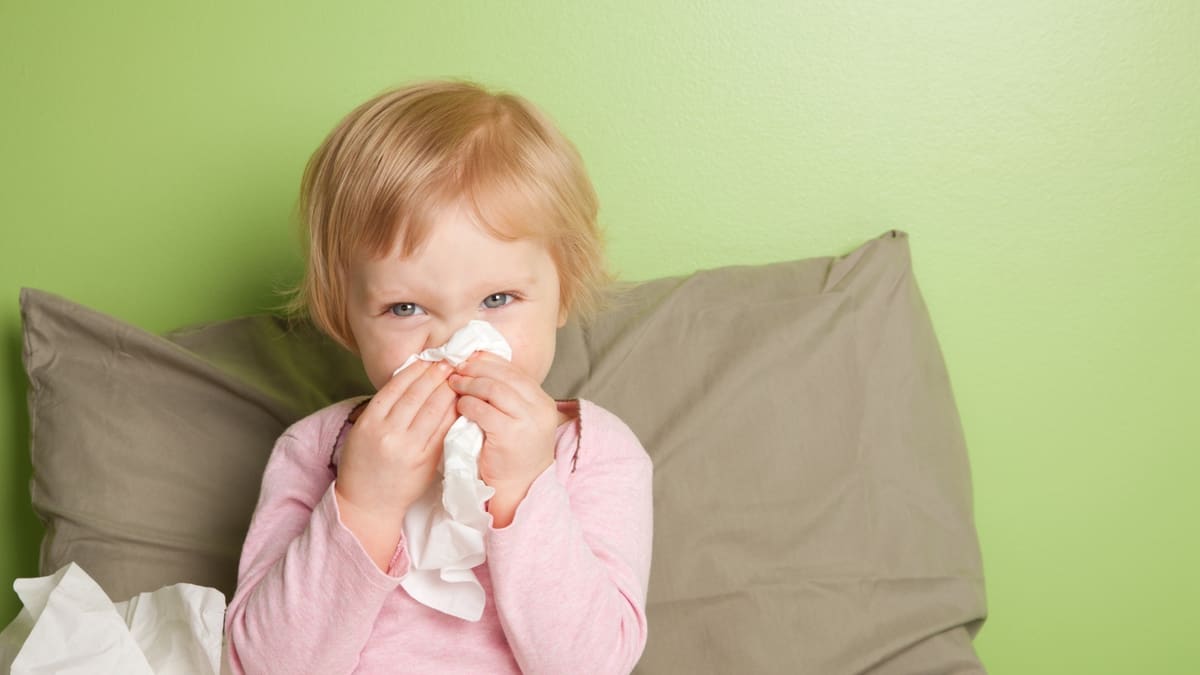
Good hygiene remains important. Parents should encourage children to wash their hands thoroughly with soap and warm water and use tissues when coughing or sneezing. Opening windows and allowing fresh air to circulate can also help reduce the spread of airborne viruses.
Home Temperature
Low indoor temperatures can have a serious impact on children's health. The UK Health Security Agency recommends heating rooms where children spend a lot of time to at least 18 degrees centigrade. Babies should not get too hot, though.